Now that the Black Friday / Cyber Monday offers have ended, it’s important to begin an extremely important exercise: post-purchase emails. A strong post-purchase email sequence, powered by email automation, is essential for customer retention and satisfaction.
Different types of post-purchase emails engage buyers differently. They subtly reassure your buyers about their decision to choose your brand. A well-structured post-purchase workflow that aligns with the customer lifecycle improves customer satisfaction.
What is a post-purchase email sequence?
A post-purchase email sequence is a series of automated emails sent to a customer after they complete a purchase. The purpose of this sequence is to reassure customers, help them use the product, and strengthen the relationship beyond the transaction.
A typical post-purchase email sequence follows a predictable flow, with each email sent at a specific moment in the customer journey.
These emails typically include:
- order confirmation
- shipping updates
- onboarding guidance
- product usage tips
- review requests
- cross-sell or product recommendation emails
- referral or loyalty emails, and
- follow-up recommendations
Each email is timed to match the customer’s stage in the buying journey. When planned correctly, a post-purchase email sequence improves customer satisfaction, boosts retention, and sets the foundation for repeat purchases without feeling salesy.
Because they enjoy a higher open rate, post-purchase emails bring you a unique advantage. The high open-rate indicates that recipients are interested in your emails – a clear proof your emails aren’t spam. These signals positively impacts the deliverability rates of your subsequent emails.

In this blog, we’ll discuss the essential emails in this sequence. But first, a few words on building a great post-purchase email sequence.
How to design a high-converting post-purchase email sequence
Designing a high-converting post-purchase email sequence starts with understanding the customer journey after the sale. Each post-purchase email should serve a clear purpose, whether it is providing reassurance, educating the customer, or strengthening trust in your brand.
When building a post-purchase email sequence, follow these best practices:
- Send emails in a logical order that mirrors the customer journey
- Focus on helping the customer before attempting to sell again
- Use clear timing between emails to avoid overwhelming the buyer
- Personalize post-purchase emails using order and behavior data
- Keep the messaging consistent with your brand voice
Start the sequence with a welcome or confirmation email that helps customers get started quickly. Share clear next steps, setup instructions, or links to product guides, especially if the product is technical. This reduces uncertainty and builds early confidence.
As customers become more familiar with the product, use follow-up emails to address common challenges, share useful tips, and highlight features they may have missed. Once value is established, introduce review requests, complementary product recommendations, or referral opportunities.
While follow-up emails can drive additional sales, their primary role is to support and guide the customer. When post-purchase emails focus on usefulness rather than pressure, conversions happen naturally over time.
The ideal post-purchase email sequence (with examples)
Email #1. Order confirmation email
The order confirmation email is the first and most critical message in a post-purchase email sequence. It reassures customers that their purchase was successful and sets expectations for what will happen next. Because order confirmation emails have extremely high open rates, they are also an ideal place to reinforce trust and establish a positive post-purchase experience.
A strong order confirmation email should clearly include:
- Order number and purchase details
- Payment confirmation
- Estimated delivery or activation timeline
- Support or contact information
- Return, refund, or cancellation policy
Send this email immediately after the sales transaction. It provides instant reassurance and minimizes any potential anxiety.
The order confirmation email serves as the foundation of a strong relationship with your customer. It displays your professionalism and commitment to serve customers.
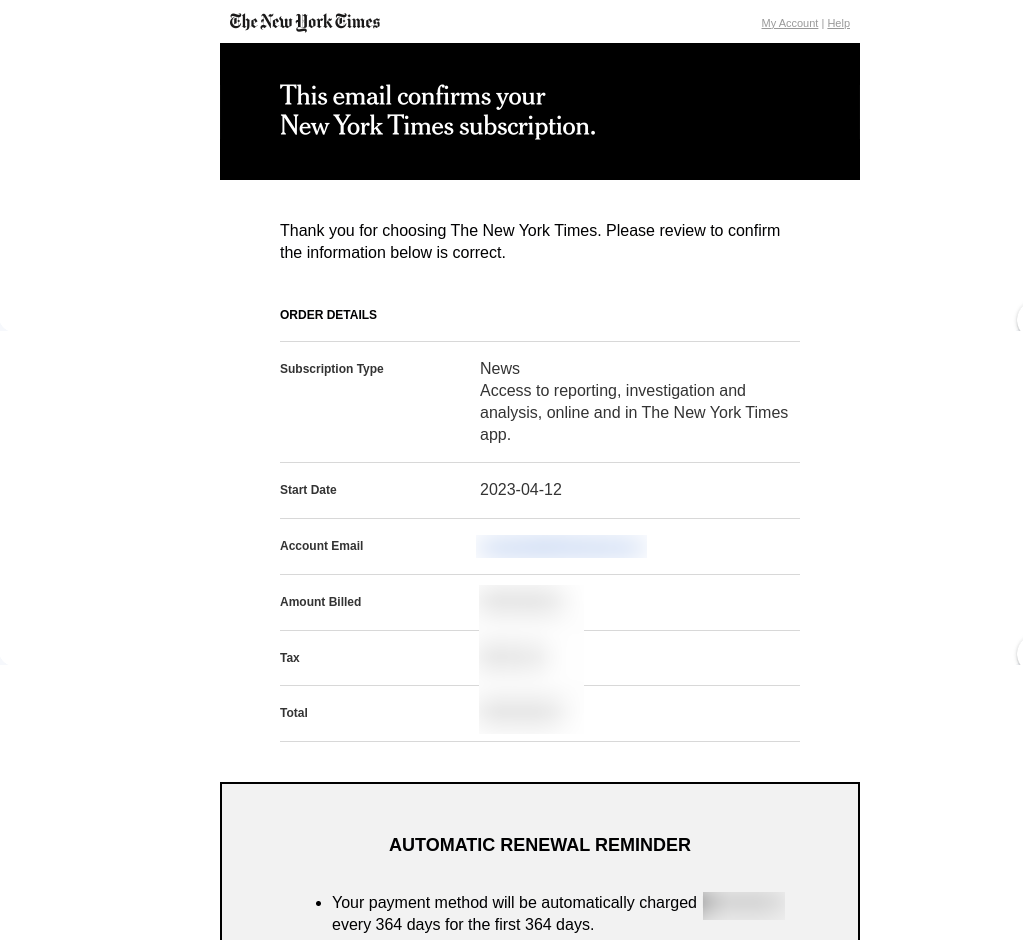
Include details like:
- the product purchased,
- order number,
- payment confirmation, and
- estimated delivery time.
Add return policies or warranties to boost customer confidence. By presenting these details clearly, you not only address potential queries upfront but also create a positive first impression.
Email #2. Shipping confirmation email
The shipping confirmation email plays a key role in reducing post-purchase anxiety. It informs customers that their order is on the way and reassures them that the delivery process is moving forward. In a post-purchase email sequence, this email helps build trust by keeping customers informed and setting clear expectations.
Studies have repeatedly shown that high shipping costs is one of the major reasons why shoppers abandon their carts. You can check out from the top abandoned cart email examples to figure out a strategy to win back those customers.
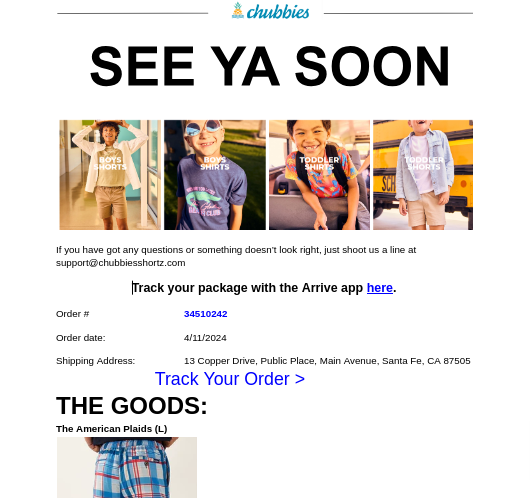
A shipping confirmation email keeps your customers informed and reassured. It confirms that their order is on its way and provides peace of mind. This simple email reduces anxiety and builds trust in your brand.
To improve your buyer’s experience, include:
- tracking number, delivery method, and estimated arrival date
- direct link to track the shipment
- common concerns
- FAQs about delays
- your returns or exchanges policy
This proactive approach can reduce support requests and improve customer satisfaction. A well-timed shipping confirmation email shows care and keeps your customers engaged.
Email #3. Product onboarding / usage tips email
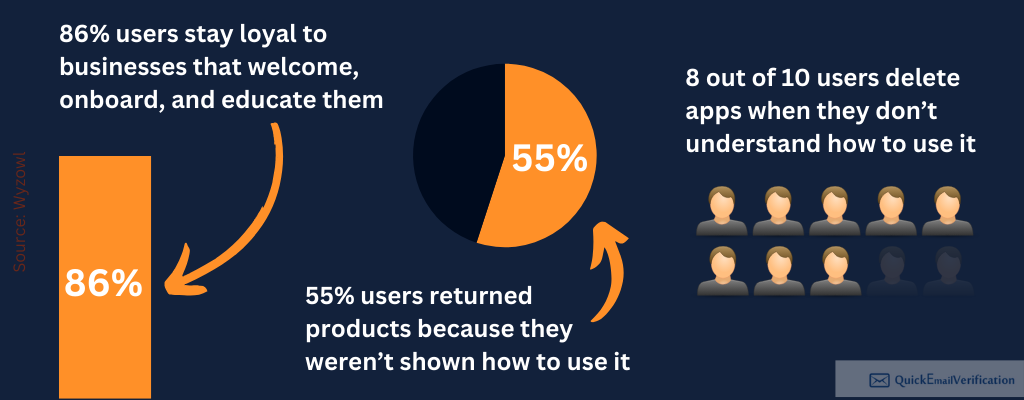
The product onboarding or usage tips email helps customers start using the product the right way from day one. In a post-purchase email sequence, this email reduces confusion, accelerates product adoption, and increases the likelihood that customers will continue using what they purchased.
Whether you sell physical products or software, onboarding emails should focus on clear guidance. For example, an ecommerce brand may share setup or care instructions, while a SaaS company can highlight key features and first steps that help users see value quickly.
A strong onboarding email may include:
- A short getting-started guide or tutorial
- Links to documentation or help resources
- Tips for common beginner mistakes
- A quick survey to understand user experience level
- Access to a user community or support channel
Effective onboarding emails lead to higher satisfaction, better retention, and fewer returns or cancellations.

The table below shows some points you may include in your email; also mentioned are some of their associated benefits:
| Topic | How it helps |
| Micro-survey | Helps you segment the user (‘Beginner’ vs ‘Experienced’) |
| Starter guide | Tells the customer where to begin |
| Link to User Community | Creates connection with other users and answers many questions; reduces load on your support team |
| Progress tracker link | Improves engagement; users stick around longer |
Effective onboarding leads to increased satisfaction, better product adoption, and fewer returns or cancellations. Even if you’e mentioned this earlier, mention the basics that will let customers understand the product’s value.
This enables them to start using the product from the start the right way. Such an easy way for your business to improve customer retention and foster long-term relationships.

Email #4. Review Request Email
The review request email is a key part of a post-purchase email sequence because customer reviews influence future buying decisions. This email should be sent only after the customer has had enough time to use the product, ensuring the feedback is meaningful and genuine.
A well-timed review request builds social proof, improves brand credibility, and provides insights that can be used to refine your products and customer experience. Keep the message simple, include a direct review link, and clearly explain how long the review will take.
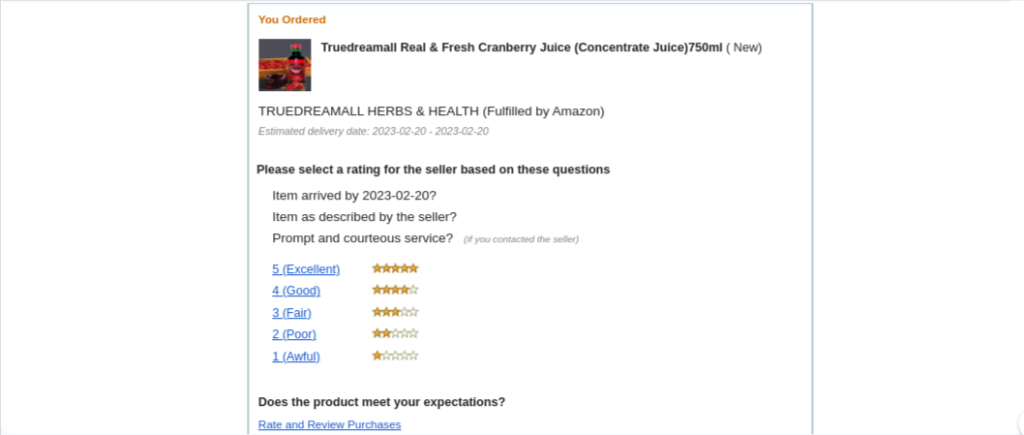
By requesting feedback, you not only collect valuable insights but also gain social proof that builds trust with new customers. Make sure to include links to review platforms like Google, Trustpilot, or product-specific review sites, where customers can share their experiences.
Give customers enough time to experience your product before asking for a review. Sending it too soon may not allow them to fully appreciate or assess the product.

But when’s the right time to send this email? Three days after the delivery? Two weeks? Use your experience to determine the timing. Then integrate this into your email automation strategy to ensure a seamless post-purchase sequence.
Good reviews build trust, and feedback helps improve your products. Having this in your post-purchase email sequence strengthens your brand’s reputation.

Email #5. Cross-Selling/Product Recommendation Email
A cross-selling or product recommendation email encourages additional purchases by suggesting items that naturally complement what the customer has already bought. In a post-purchase email sequence, this email works best after the customer has received and used the product.
Effective cross-sell emails focus on relevance rather than volume. Recommend only a small number of related products, explain why they are useful, and consider adding a limited-time incentive to increase conversions. When done well, cross-selling increases order value without hurting the customer experience.
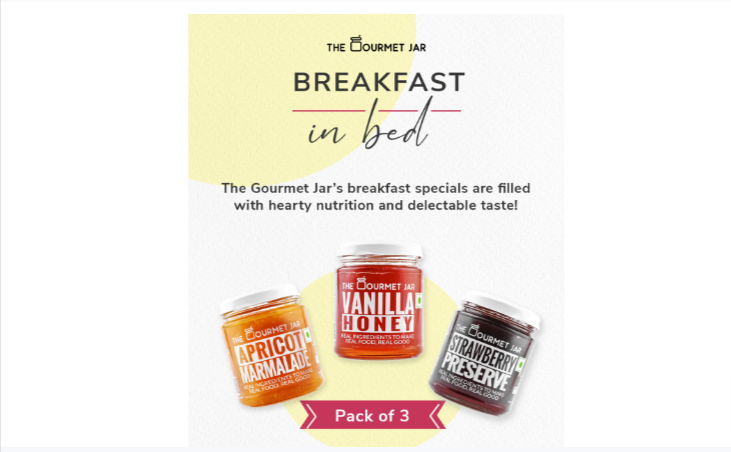
Send this email soon after a purchase. The excitement of a fresh buy makes the customer more likely to act. Cross-selling strengthens relationships and drives repeat business.

Email #6. Referral Program Email
Referral program emails turn satisfied customers into promoters by encouraging them to share your product with others. In a post-purchase email sequence, referral emails work best after the customer has experienced clear value from their purchase.
Keep the referral process simple and clearly explain the reward for both the referrer and the new customer. A short message, an easy-to-share referral link, and a clear incentive are usually enough to motivate action without overwhelming the reader.
A post-purchase email sequence doesn’t have to be serious and drab. Keep it lighthearted and fun, and watch your customer base grow!

Email #7. Milestone/Anniversary Email (Optional)
Milestone or anniversary emails help strengthen long-term customer relationships by acknowledging important moments after the first purchase. These emails create a personal touch and remind customers of the value your brand continues to provide.
A simple message paired with a small incentive or exclusive offer works well for milestone emails. Sending this email on a monthly or annual purchase anniversary keeps your brand top-of-mind and encourages ongoing engagement.
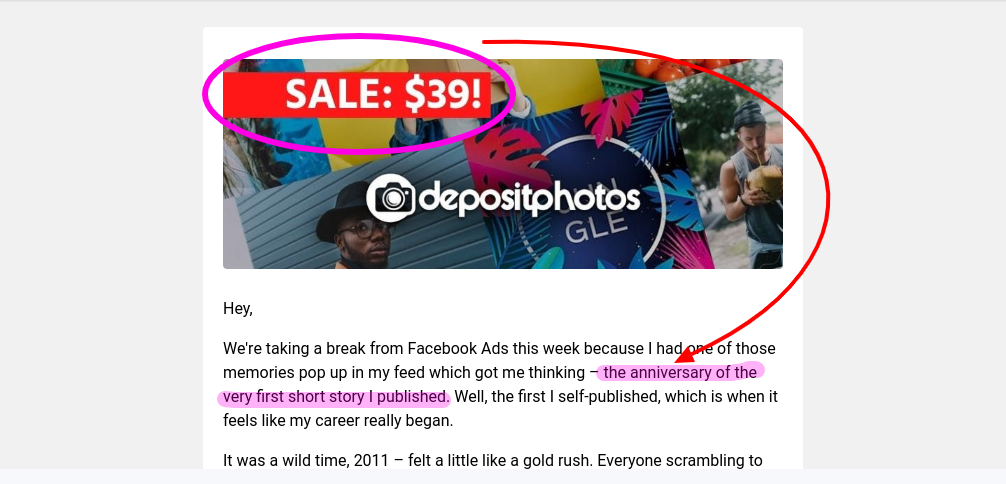
Remember, your post-purchase email sequence seeks to serve and please – but don’t shy away from a little sales pitch!
Over to you: Use post-purchase emails to turn buyers into advocates
Post-purchase emails are not just transactional messages – they are a strategic extension of your customer experience. A well-planned post-purchase email sequence reassures buyers, accelerates product adoption, and increases the likelihood of repeat purchases.
By sending the right message at the right time, businesses can reduce buyer’s remorse, collect valuable feedback, and introduce relevant offers without sounding overly promotional. Over time, consistent and helpful post-purchase emails turn one-time buyers into repeat customers and brand advocates.
When combined with strong email deliverability and list hygiene practices, a structured post-purchase email sequence becomes one of the most reliable drivers of retention and long-term revenue growth.
Intelligently crafted emails enable you to gather feedback, confidently recommend complementary products, and even encourage referrals. What more would you need to turn satisfied customers into loyal advocates?
Finally, because post-purchase emails enjoy a better open rate, you know your future emails will do better. This will considerably solve your email deliverability challenges.